Categoria: News & Events

  • Conference “Art, Architecture, and Museography of Shared Sacred Spaces”

    Conference “Art, Architecture, and Museography of Shared Sacred Spaces”

    As part of the public program of the exhibition “ Lieux Saints Partagés. Voyage entre les religions” (Shared Sacred Places. A Journey Across Religions), held at Villa Medici from 9 October 2025 to 19 January 2026, Eleonora D’Alessandro moderated the conference “Art, Architecture, and Museography of Shared Sacred Places. Historical Approach and Contemporary Enhancement”. The conference took place at MAXXI Museo nazionale delle arti del XXI secolo in Rome.

    The discussion offered a historical overview spanning several centuries, culminating in a reflection on the role of the museum as a space where the sacred is reinterpreted and rearticulated in contemporary terms.

    Shared sacred places tell stories of coexistence prior to conflict: ritual practices and common sacred spaces cut across the three major monotheistic religions—Judaism, Christianity, and Islam—particularly in the Mediterranean and the Near East. These intertwined histories provide valuable tools for understanding the present and for imagining new forms of coexistence.

    The full program below

    Event poster from MAXXI

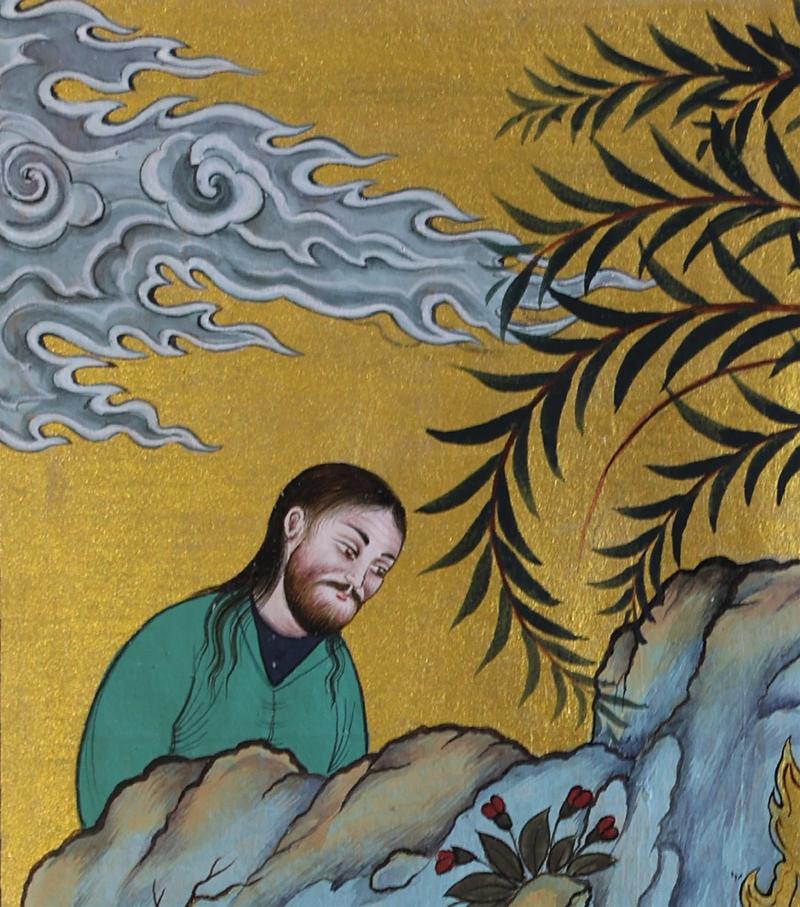
    In the cover image: Ayşe Raziye Özalp, Nativity in the Desert (21st-century copy of a 16th-century miniature, detail). Private collection.
  • Fieldwork in Rome: exploring religious places in the capital of Catholicism

    Fieldwork in Rome: exploring religious places in the capital of Catholicism

    From September 2025 to January 2026, Giulia Massenz conducted a photographic fieldwork project in Rome, exploring the many expressions of religious diversity in what is often considered the Capital of Catholicism. Through the documentation of over 50 places of worship, she created a visual archive that contributes to comparative socio-spatial research while also serving broader dissemination purposes. Located across both central and peripheral areas of the city, these sites reveal the evolving and spatially embedded presence of ethno-religious diversity in Italy.

    Hindu temple Om Hindu Mandir, Via Cencelli
    Hindu temple Om Hindu Mandir, Via Cencelli

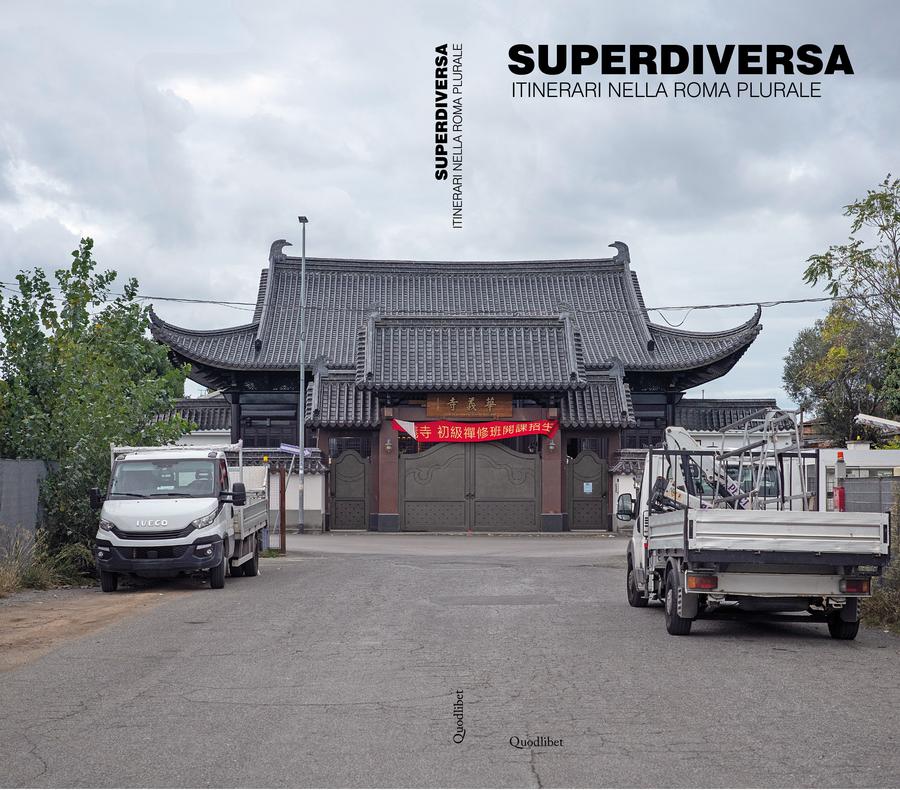
    The sites documented range from Romanian Orthodox churches to Sikh gurdwaras, Buddhist and Hindu temples, and mosques, as well as African Pentecostal spaces and New Age spiritualities. Some of the outcomes of this fieldwork will be published in the forthcoming volume Superdiversa. Itinerari nella Roma plurale (Quodlibet, 2026).

    Romenian christian orthodox church, Via Gallia
    Romenian christian orthodox church, Via Gallia

  • Superdiversa. Itinerari nella Roma plurale. Quodlibet, 2026.

    Superdiversa. Itinerari nella Roma plurale. Quodlibet, 2026.

    Following an intensive photographic fieldwork, the volume Superdiversa. Itinerari nella Roma plurale has been published in April by Quodlibet Edizioni. Bringing together field research and visual storytelling , Superdiversa is structured around six thematic itineraries exploring Christian churches of different denominations, mosques, synagogues, and Buddhist, Hindu, and Sikh temples that enliven the urban fabric, yet remain too often concealed within the built environment. Superdiversa narrates the powerful and contradictory stories of belonging and community that take shape around these diverse places.

    The volume is edited by Maria Chiara Giorda, Eleonora D’Alessandro, and Angelica Federici. The photographic project is by Giulia Massenz. Texts are by Miriam Abu Salem, Eleonora D’Alessandro, Angelica Federici, Maria Chiara Giorda, Giulia Massenz, and Silvia Omenetto, with a foreword by Valeria Fabretti. Below some pictures from the volume.

    KabbalahArt, Via in Publicolis © Giulia Massenz, 2025
    Centro Zen Anshin, Via Ettore Rolli © Giulia Massenz, 2025

    Book short abstract.
    Recent migration flows and the dynamics of globalization have transformed European urban societies into increasingly plural and complex organisms. People from diverse cultural and religious backgrounds have contributed to reshaping the social landscape of cities, bringing with them new energies, tensions, and forms of coexistence. In Italy as well, this transformation has deeply impacted the urban dimension, generating a multiplicity of presences and practices that are reflected in the space of the city, and on places of worship specifically. Rome represents an emblematic case of this complexity. Long a crossroads of cultures, the city has an identity deeply shaped by a religious dimension that continues to influence how its inhabitants live in, perceive, and move through urban space. Over the centuries, religious communities have contributed to building a rich, layered, and living cultural and architectural heritage.
    Superdiversa seeks to explore this complexity through a visual and textual narrative that weaves together photography and social research. It is a journey through the places of worship of the Capital’s religious minorities, uncovering a lesser-known city—multifaceted and constantly evolving.

  • Fieldwork in Rome, 2023-2024

    Fieldwork in Rome, 2023-2024

    Around the Great Mosque of Rome

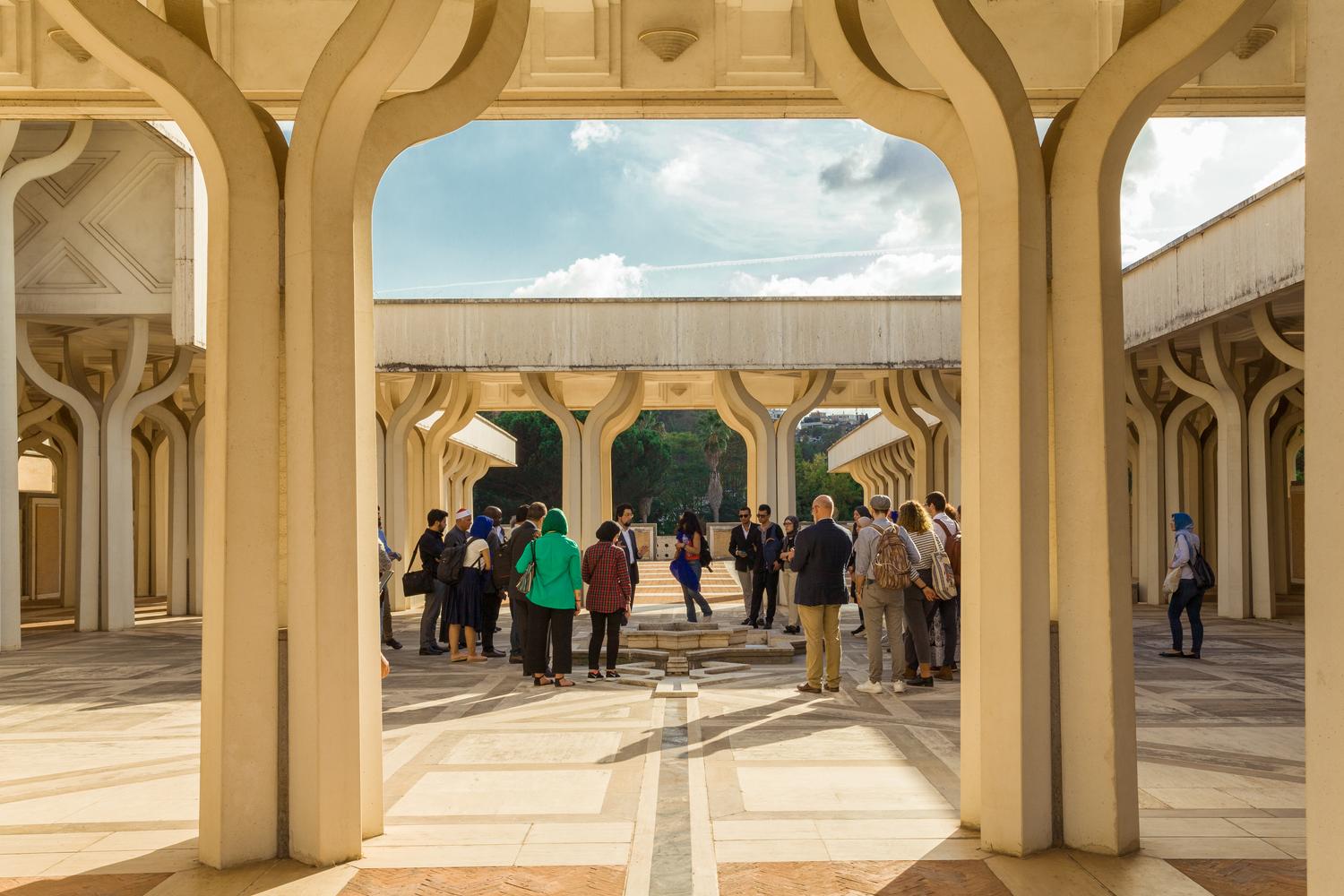
    Between September 2023 and June 2024, fieldwork conducted around the Great Mosque of Rome brought together many of us to study this architectural masterpiece from diverse disciplinary perspectives. Designed by Paolo Portoghesi, Sami Moussawi, and Vittorio Gigliotti, the mosque has been extensively studied in the context of architectural history and beyond. Nevertheless, with the Great Mosque as the central object of inquiry, SHARP Lab sought to propose a novel, transdisciplinary approach: discussions and exchanges across disciplines, conducted both online and offline over the past months, raised epistemological questions and methodological doubts that might not have surfaced otherwise. This experiment culminated in the Historia Religionum special issue, History and Heritage of the Great Mosque of Rome , edited by Maria Chiara Giorda. The collaborative effort evolved at different paces and employed a variety of methods, ranging from those typical of ethnographic research (such as participant observation and semi-structured interviews) to archival analysis and Geographic Information System ​(GIS) mapping techniques.

    View of the Great Mosque of Rome Ph. Luca Bossi

    View of the Great Mosque of Rome Ph. Luca Bossi


    Integrating perspectives from history, anthropology, architecture, geography, sociology, and digital humanities, this comprehensive special issue includes the following articles:

    • Valeria Fabretti and Massimo Leone: Preface
    • Maria Chiara Giorda: History and Heritage of the Great Mosque of Rome: Interdisciplinary Approaches through the Space
    • Daniele Campobenedetto and Giulia Massenz: When Geopolitics and Architecture Touch: The Micropolitics Surrounding Architectural Negotiations in the Great Mosque of Rome
    • Eleonora D’Alessandro and Angelica Federici: The Great Mosque of Rome: Cultural Memory and Architectural Synthesis through Warburg’s Comparative Method
    • Luca Bossi and Luca Patrizi: A Unique Experience? The Great Mosque of Rome as a Peculiar Case in the Italian Religious Field
    • Silvia Omenetto: GIS Analysis of the Location of the Great Mosque of Rome
    • Gianfranco Bria and Carmelo Russo: The Authority of Imam in Italian Islam and Beyond: The Case of Guided Tours at the Great Mosque in Rome

    We hope this special issue will serve as a valuable resource for those researching urban religion, religious heritage, and interdisciplinary approaches in the study of religious spaces.

    From the MAXXI archive. Ph. Giulia Massenz

    From the MAXXI archive. Ph. Giulia Massenz

  • Fieldwork in Romania

    Fieldwork in Romania

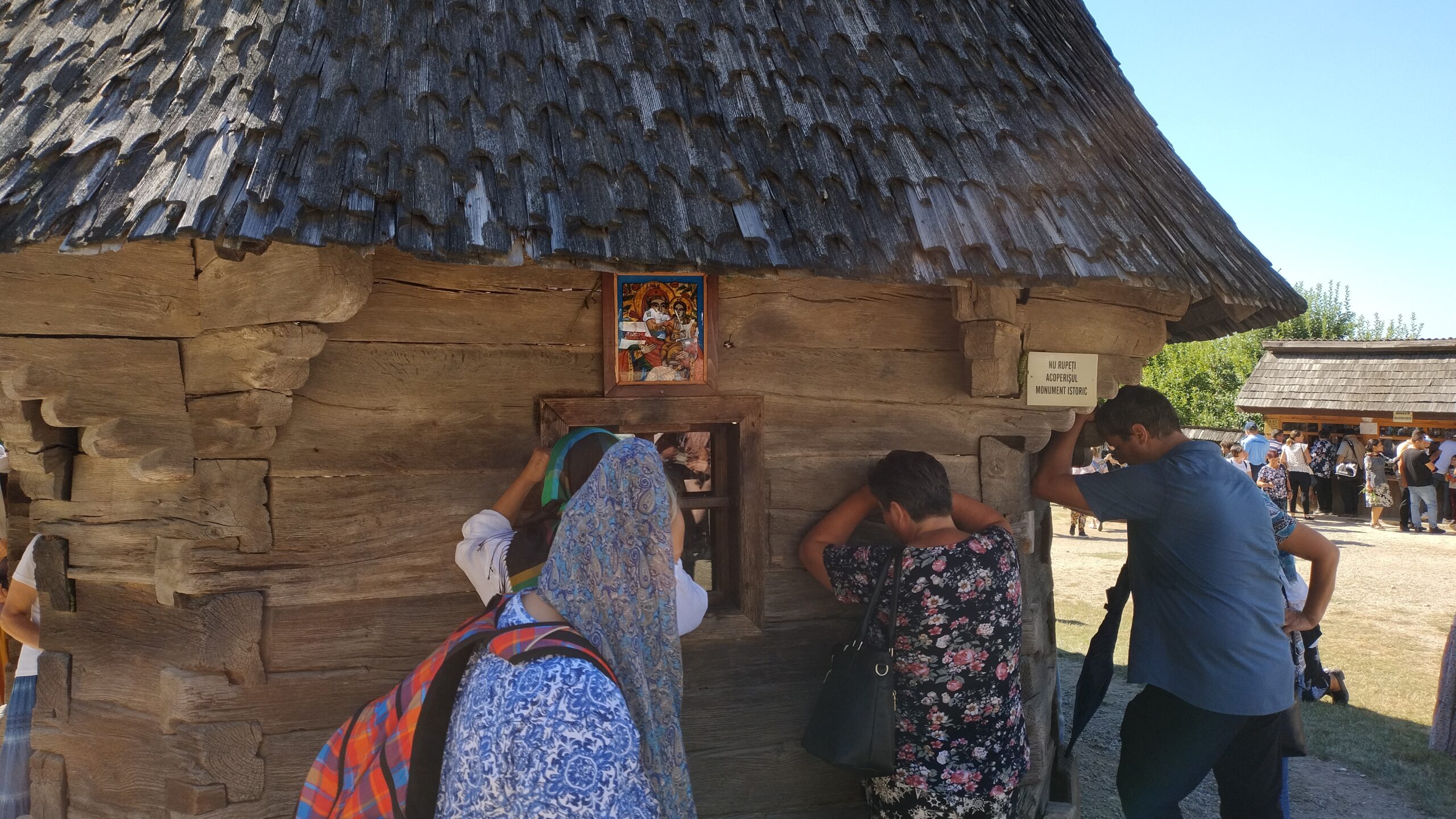
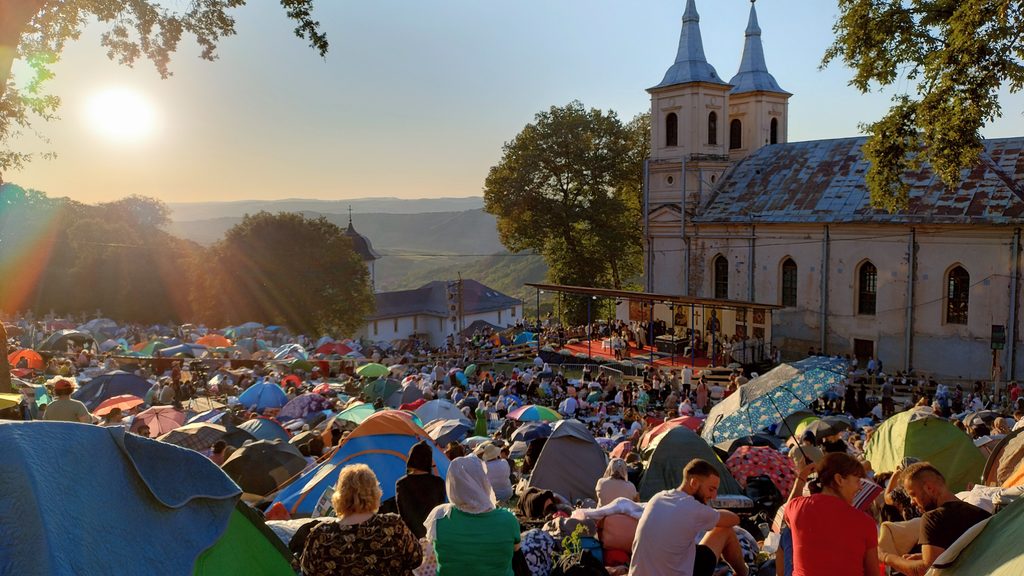
    In August 2023, Giuseppe Tateo visited the monasteries of Nicula, Prislop and Dervent, all currently managed by the Romanian Orthodox Church. His fieldwork combined the methods typical of ethnographic research (participant observation and semi-structured interviews) to investigate the spatial strategies enacted by the Orthodox Church to reclaim legitimate ownership and exclusive primacy over these popular devotional sites with a composite ethnic and religious past.

    Contrary to the abundance of shared religious places throughout south-eastern Europe, multi-religious interaction is not a regular feature in Romania. Pilgrimages and visits to the popular Orthodox monasteries of Prislop and Nicula in Transylvania, and Dervent in Dobruja are an exception to this trend. Unsurprisingly, these two regions are historically the most heterogeneous in terms of ethnic and religious diversity. The two Transylvanian monasteries attract practitioners of different Christian denominations (Orthodox, Greek-Catholic, Roman-Catholic, and Evangelical), while Dervent is a devotional site for Christians and Muslims (Tatars, Turks, and Roma) alike. Common to all three monasteries is the presence of allegedly miracle-working objects, artefacts, and bodies: a stone cross at Dervent, the Virgin Mary icon at Nicula, and the tomb of the charismatic monk Arsenie Boca at Prislop, respectively.

    Wooden Church in Nicula. Ph. Giuseppe Tateo


    This research was supported by the project “Euro-Mediterranean Integration: enhancement and analysis of cultural and religious heritage as a factor of inclusion, sustainability and mobility.”: DM 737/2021 – CUP  F85F21004480001, coordinated by Gennaro Gervasio and Maria Chiara Giorda, Roma Tre University.

  • Fieldwork in Tirana

    Fieldwork in Tirana

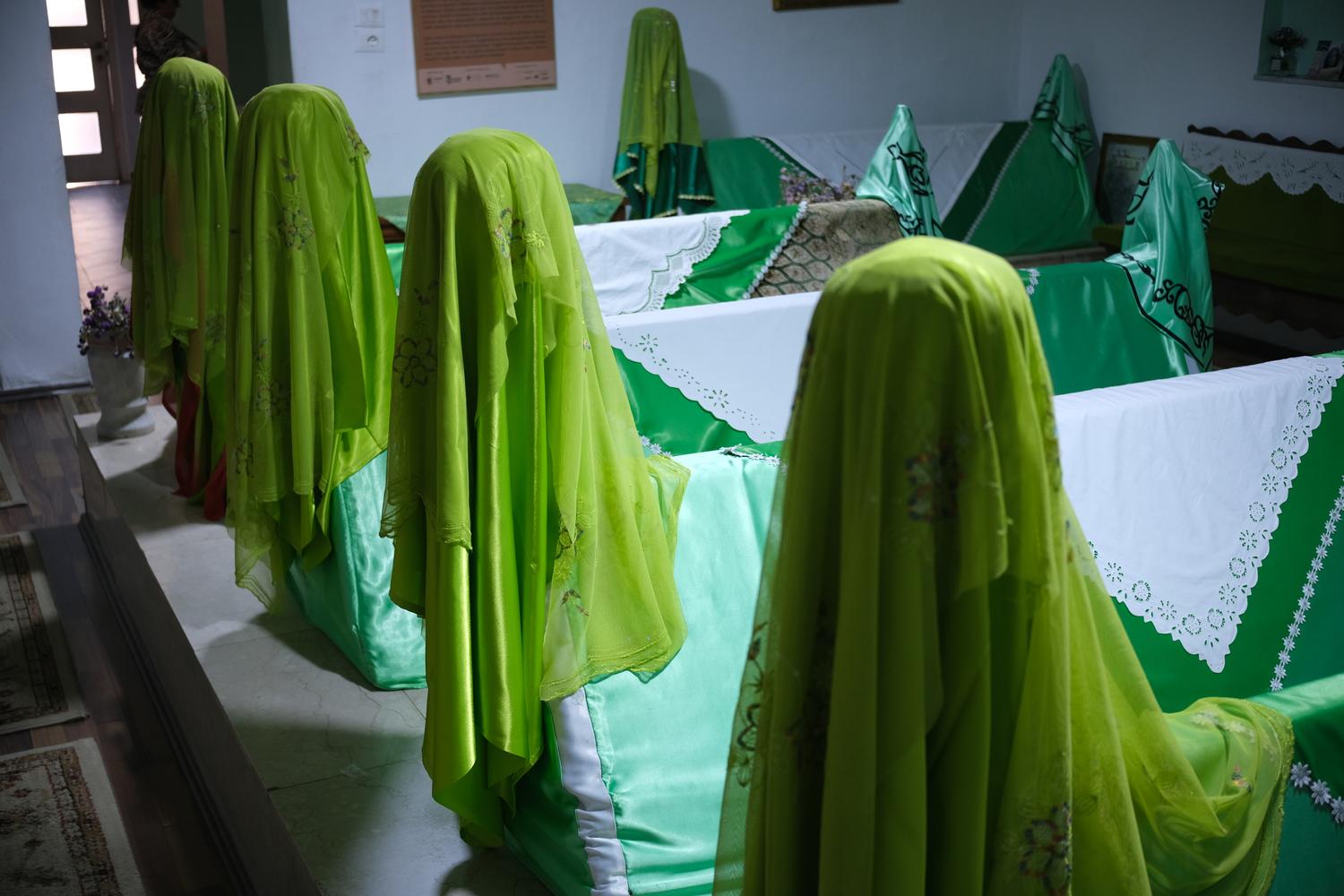
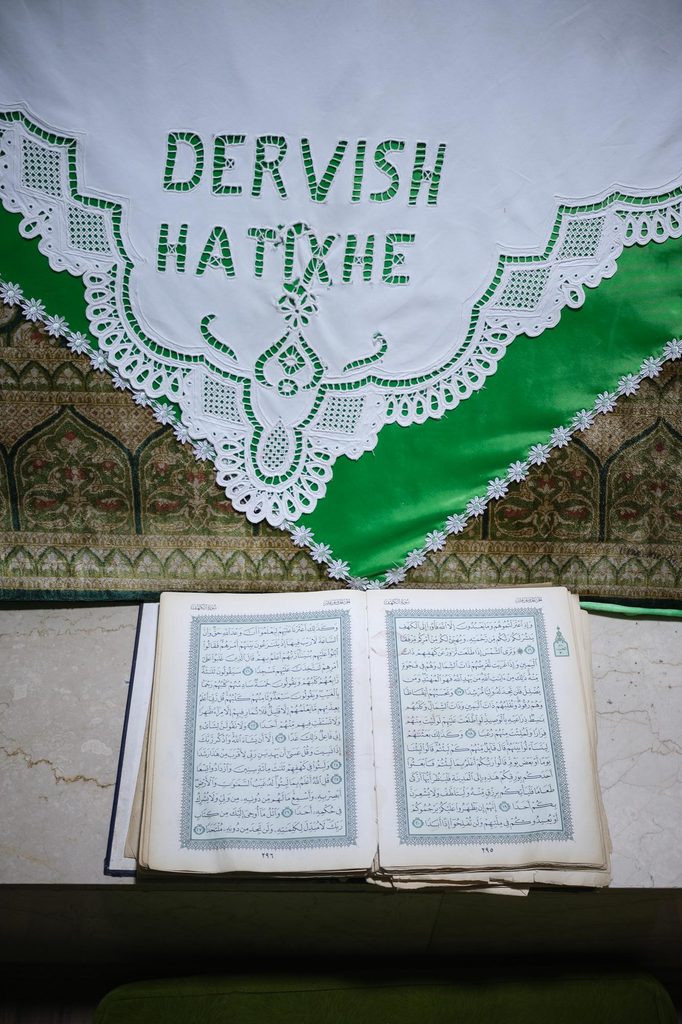
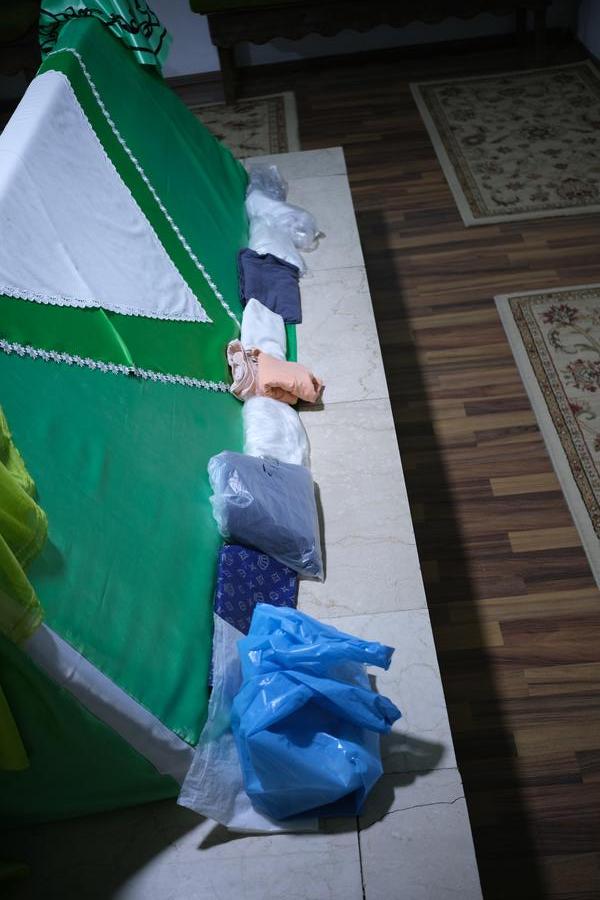
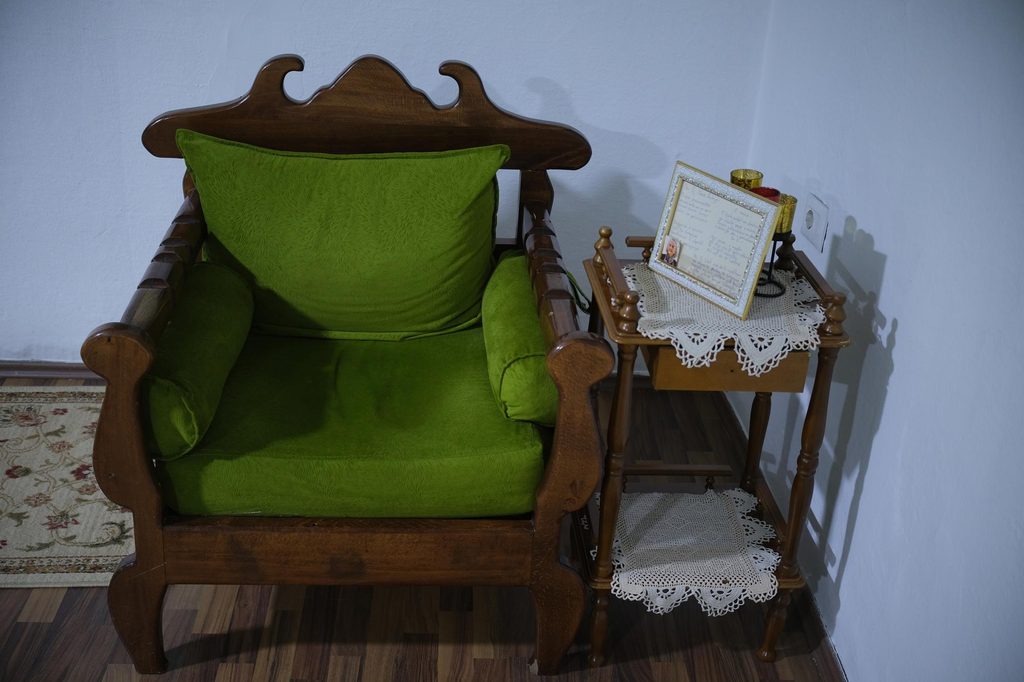
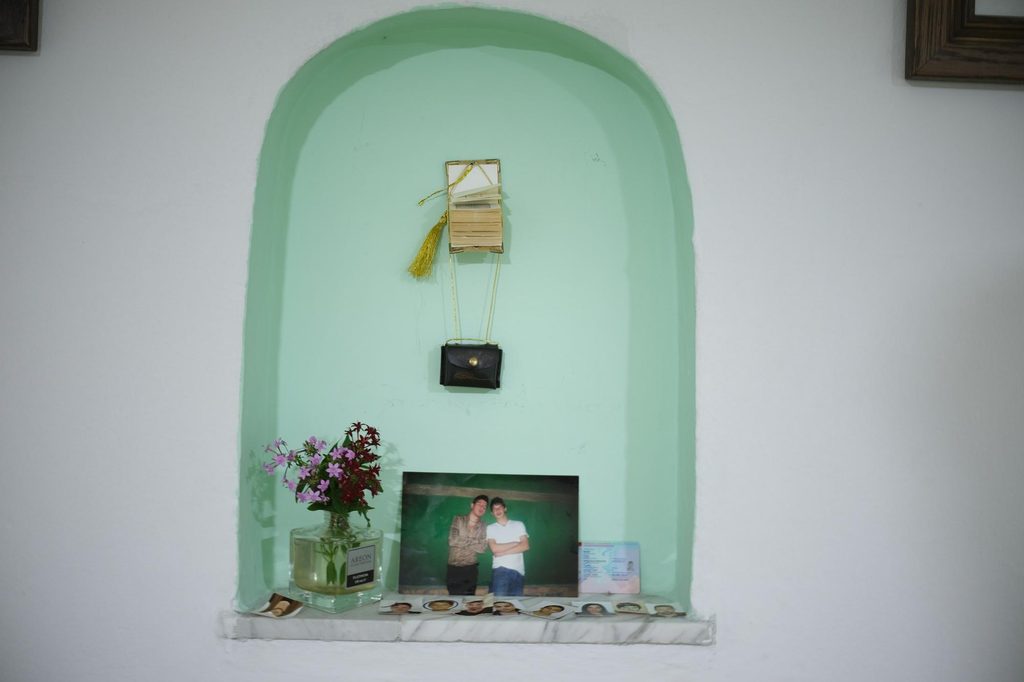
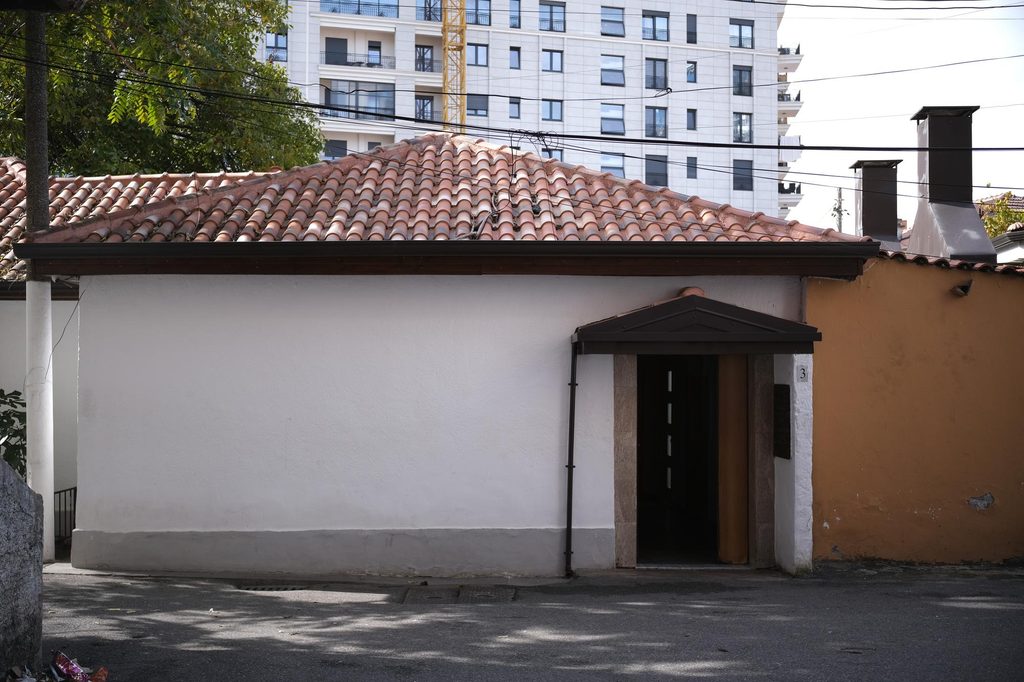
    Gianfranco Bria conducted fieldwork in Tirana, Albania, focusing on the shrine of Dervish Hatixhe, an eighteenth-century Sufi woman whose tomb remains one of the most meaningful examples of a shared religious space in contemporary Albania. Located in the dense urban fabric of Rruga Barrikadave, the teqe (Sufi lodge) of Hatixhe is frequented by Muslim, Catholic, and Orthodox devotees alike, who visit to light candles, touch the tomb, and seek blessings, healing, or protection.

    Ph Gianfranco Bria

    Despite its discreet appearance, the site radiates a strong sensory and spiritual presence, where gestures, smells, and sounds interlace to create a collective experience of faith. Hatixhe’s shrine embodies Albania’s longstanding ethos of tolerance fetare (religious coexistence) where sainthood transcends confessional boundaries and becomes a shared expression of moral and cultural belonging.

    Ph Gianfranco Bria


    The fieldwork, based on participant observation, photography, and interviews, explored how this urban sacred space continues to nurture interreligious devotion in post-socialist Tirana. The shrine’s daily life – today preserved through a unique female lineage of caretakers – reveals the resilience of popular religiosity and its power to foster encounters across religious divides.

    Phi Gianfranco Bria

    Ph Gianfranco Bria

    For further insights see: Bria, Gianfranco. “Dervish Hatixhe’s Veneration in Contemporary Albania: Visual Representations, Devotional Practices and Sensory Experiences.”
    Religions 16.2 (2025): 163; https://doi.org/10.3390/rel16020163

    Ph Gianfranco Bria